

Lights are one of the most common reasons cars fail a WOF
You’d be surprised how many cars roll up for a WOF in Hamilton and get knocked back over something as simple as a blown bulb. Lights are one of the most common failure causes we see, week in and week out — and the fix is usually quick once you know what’s actually wrong. Whether it’s a Suzuki Swift heading down Te Rapa Straight or a ute that’s seen every backroad from Raglan to Matangi, lights aren’t just there so you can see; they’re there so everyone else knows what you’re up to as well.
During a WOF inspection, every light on your car is checked: it has to be fitted properly, work when it should, shine the right colour and brightness, and not be cracked, faded or full of water. If any required light fails on any of those counts, the car fails.
This page covers each light the inspector checks, the usual reasons it fails, and where to read more about getting it fixed.
Before your next inspection, a two-minute once-over in the driveway can save you a recheck: walk around the car with the lights and hazards on, and get a mate to press the brake pedal and select reverse while you watch the back.
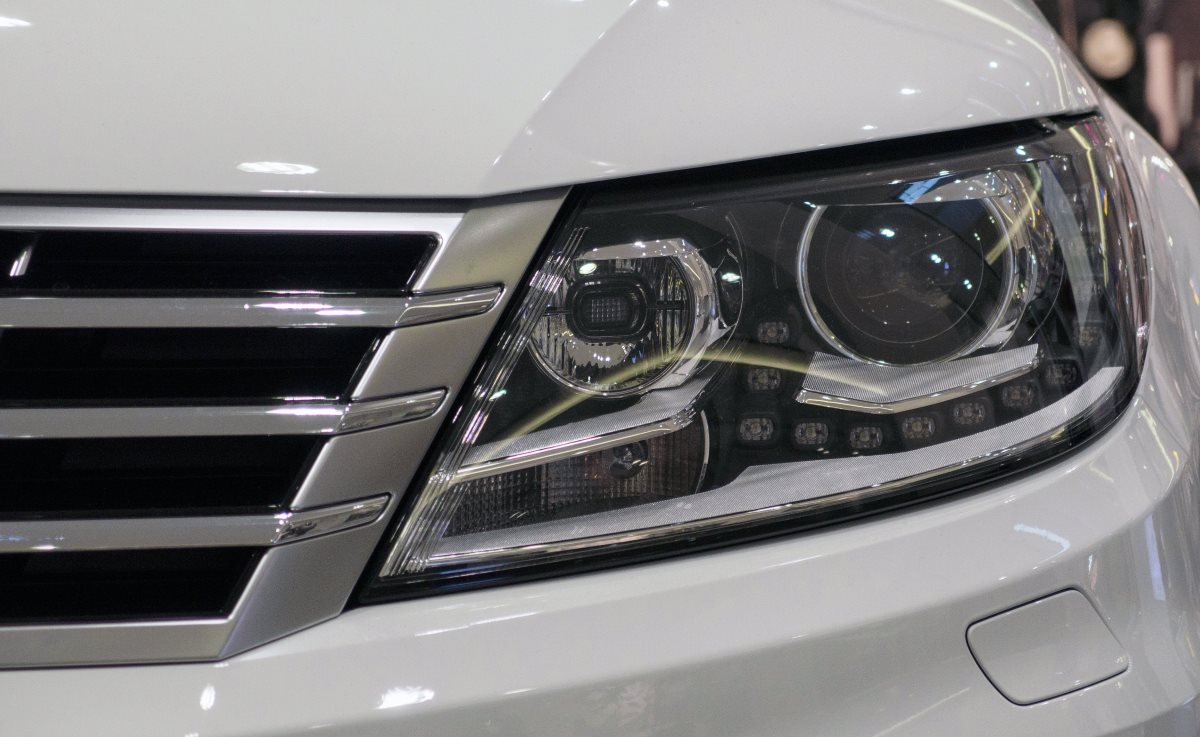
Headlights and high beams
Headlights cop the most scrutiny of any light on the car. The inspector checks that both headlights work on dip and high beam, that they’re aimed correctly, and that the lenses are in decent shape. Common fails include:
- A blown bulb on one side — you’re basically a one-eyed monster on the highway
- Headlight aim that’s way off, so you’re lighting up possums instead of the road (or dazzling oncoming traffic)
- High beams that won’t dip, or a dip switch that’s stopped working
- Cloudy, yellowed or cracked lenses that choke the light output — common on older Toyotas and Subarus after years of Waikato sun
- Condensation or water sitting inside the headlight unit after a big downpour
For the full rundown on fixing failed headlights — restoration, bulbs, electrical faults and aim adjustment — see our guide to effective repairs for WOF-failing headlights. If your problem is moisture inside the lens, we’ve covered that separately in headlight lens water repairs.
Brake lights
Bit of a classic — most drivers don’t realise a brake light is out until someone nearly runs up the back of them at the Dinsdale roundabout. The inspector checks that all brake lights (including the high-mounted centre one, if your car has it) come on promptly and brightly when the pedal is pressed. The usual fails are blown bulbs, corroded sockets, a faulty brake light switch at the pedal, or a cracked lens letting water in.
Our guide to WOF repair tips for brake lights walks through the common causes and fixes, including LED upgrades and tracking down wiring gremlins.
Indicators and hazard lights
Indicators need to flash at the right speed and brightness, front and rear, on both sides — and your hazard lights need to work all of them at once. Fails usually come down to a blown bulb (which often makes the other side flash crazy fast), tired wiring (NZ moisture is a killer for old looms), a worn indicator stalk or a faulty flasher relay.
See our guide to indicator light repairs for a smooth WOF for the full list of causes and fixes.
Number plate, reversing, fog and interior lights
These are the ones people forget about, and they catch plenty of cars out at WOF time:
- Number plate light — your rear plate must be lit at night. It’s a tiny bulb in an awkward spot, and it’s a fail if it’s dead.
- Reversing lights — if your car has them fitted, they have to work when you select reverse, and only then. A reversing light that glows dimly or stays on is a fail either way.
- Fog lights — again, if they’re fitted they must work correctly and switch off properly. Aftermarket fog or driving lights that are wired up dodgy are a common snag on modified cars.
- Interior and dash lighting — the inspector needs to be able to read your instruments, so dead dash illumination can be flagged too.
None of these need a separate guide — they’re nearly always a quick bulb, socket or wiring fix once the car’s on the hoist, and we check the lot while it’s in.
What actually causes lighting WOF failures?
Across all of the lights above, the same handful of root causes turn up again and again:
- Blown bulbs — the simple one. Bulbs dim with age before they die, so if one’s gone, its twin is usually not far behind.
- Corroded sockets and connectors — damp gets into the light housing, the contacts fur up, and the bulb works intermittently or not at all.
- Wiring faults — chafed, brittle or rodent-chewed wiring, especially in older cars that have spent their life outside.
- Switches and relays — brake light switches, indicator stalks and flasher relays all wear out with use.
- Water ingress — cracked lenses and perished seals let water in, which kills bulbs, fogs lenses and corrodes everything it touches.
The good news: all of it is fixable, and most of it is quick. Our vehicle lighting service covers bulb replacement and light unit repairs for every make and model, and for the trickier electrical gremlins our auto electrical repairs team has the diagnostic gear to track faults down fast instead of guessing.
Need car lighting WOF repairs in Hamilton?
If your car has just missed its WOF because of dodgy lights, don’t stress — we fix these problems every week, from battered old utes to late-model hybrids heading to The Base. Whether it’s a single bulb, a corroded socket or a wiring fault that’s been haunting you for months, our team will get it sorted and have you back on the road, safe and legal.
And if lights weren’t the only thing on your check sheet, our failed WOF repairs hub covers every other common failure — brakes, suspension, rust, tyres and more — in one place.